

AR/VR
Building augmented and virtual reality environments, digital twins, and immersive training simulations — with end-to-end lab establishment for colleges, universities, and enterprises.
Capability Deep-Dive
We build practical learning experiences in AR, VR, spatial computing, and immersive technologies. Learners explore how virtual environments can support engineering education, technical training, simulation, and interactive experiences through guided projects and hands-on laboratory activities.
Our AR and VR curriculum introduces learners to immersive application development, 3D environments, interaction design, and real-time simulation. Through practical projects, learners develop experiences that combine digital content, spatial interaction, and engineering concepts using modern immersive technology platforms.
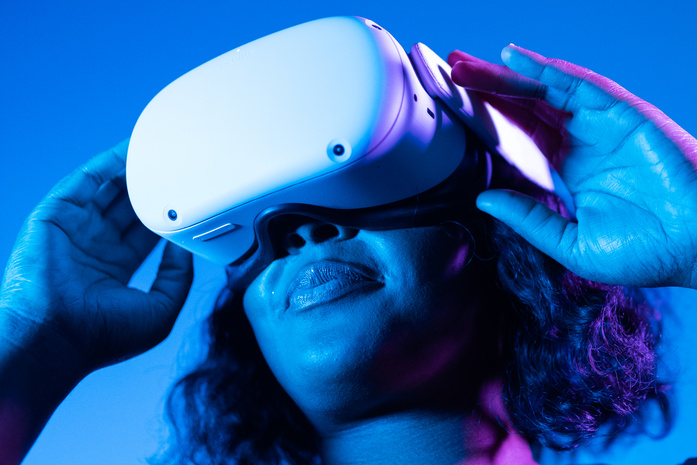
Digital twin technologies help learners understand how physical systems can be represented and explored in virtual environments. Through simulation-based projects, learners work with virtual models of equipment, processes, and environments to study system behaviour, visualize data, and understand engineering scenarios without relying entirely on physical infrastructure.
Our training also explores immersive simulation for technical and workforce development. Learners can design virtual training scenarios for areas such as assembly, maintenance, inspection, safety, and equipment operation, gaining an understanding of how immersive technologies can support skill development and reduce the dependency on physical training environments.
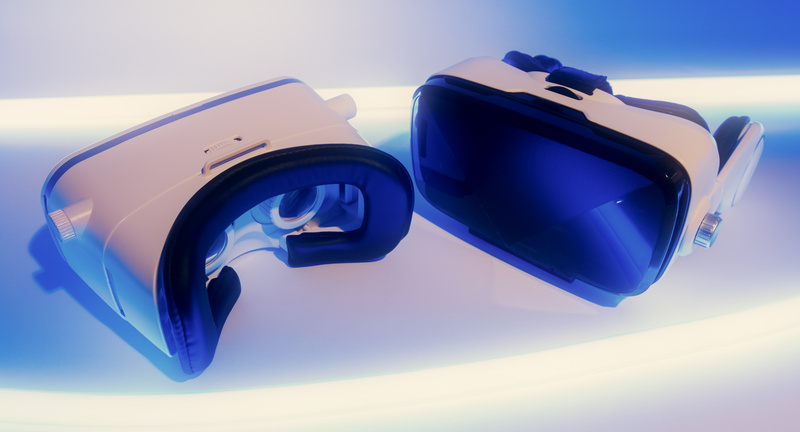
The learning experience extends to interactive visualization, virtual laboratories, and collaborative learning environments. Learners explore how complex engineering concepts can be presented through immersive simulations, enabling institutions to create engaging learning experiences that connect classroom concepts with practical applications.
Through practical projects, learners gain exposure to spatial computing workflows, 3D content development, simulation environments, and immersive deployment across VR, AR, and mixed-reality platforms. These activities help develop the technical and creative skills required to design effective immersive solutions for education, engineering, and industrial applications.
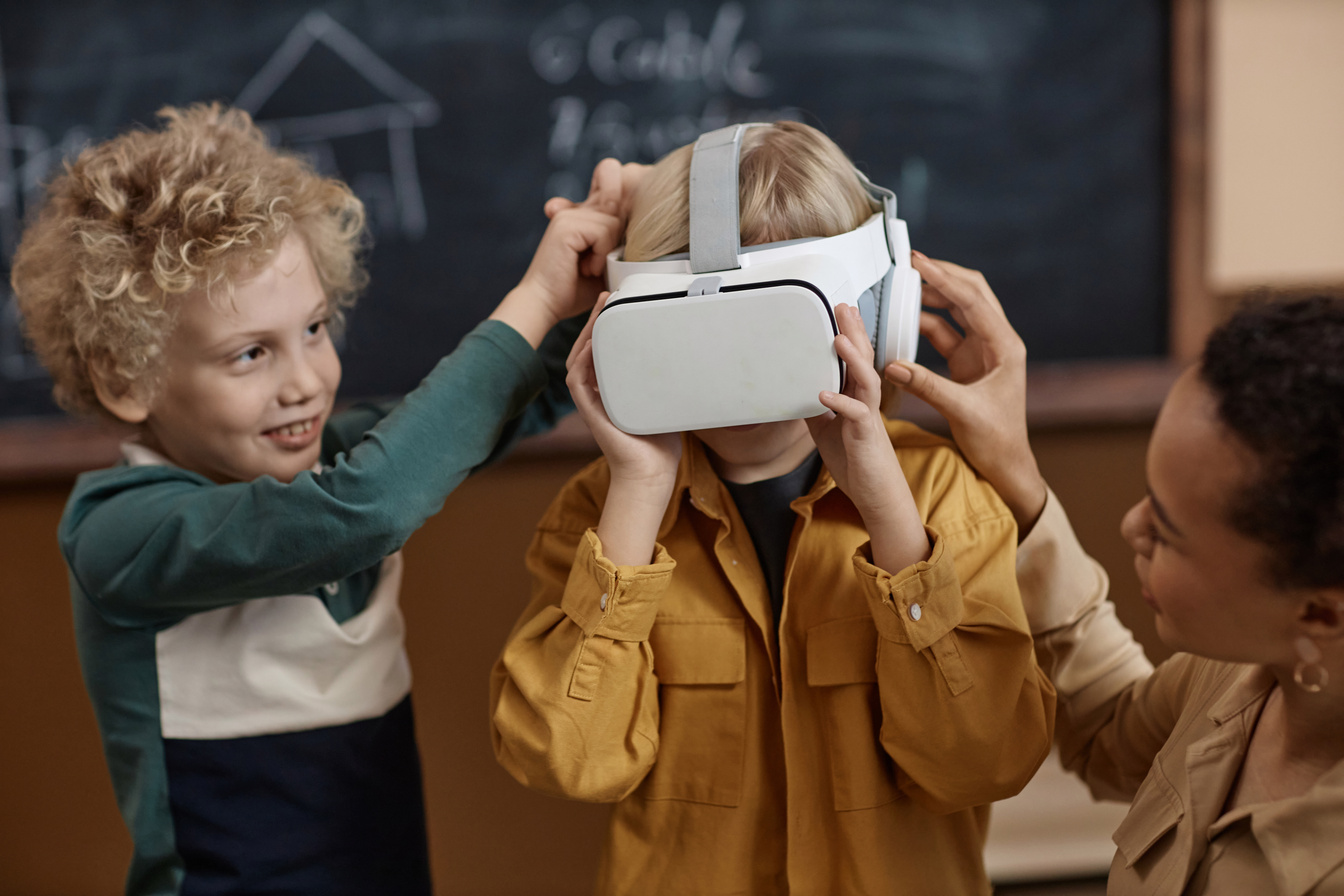
Our project-based approach connects immersive technology education with real-world industry requirements through laboratory programs, curriculum-aligned projects, faculty development, and technical workshops. By combining AR, VR, digital twins, simulation, and spatial computing, we help learners build practical skills for emerging careers in immersive technology and Industry 4.0.