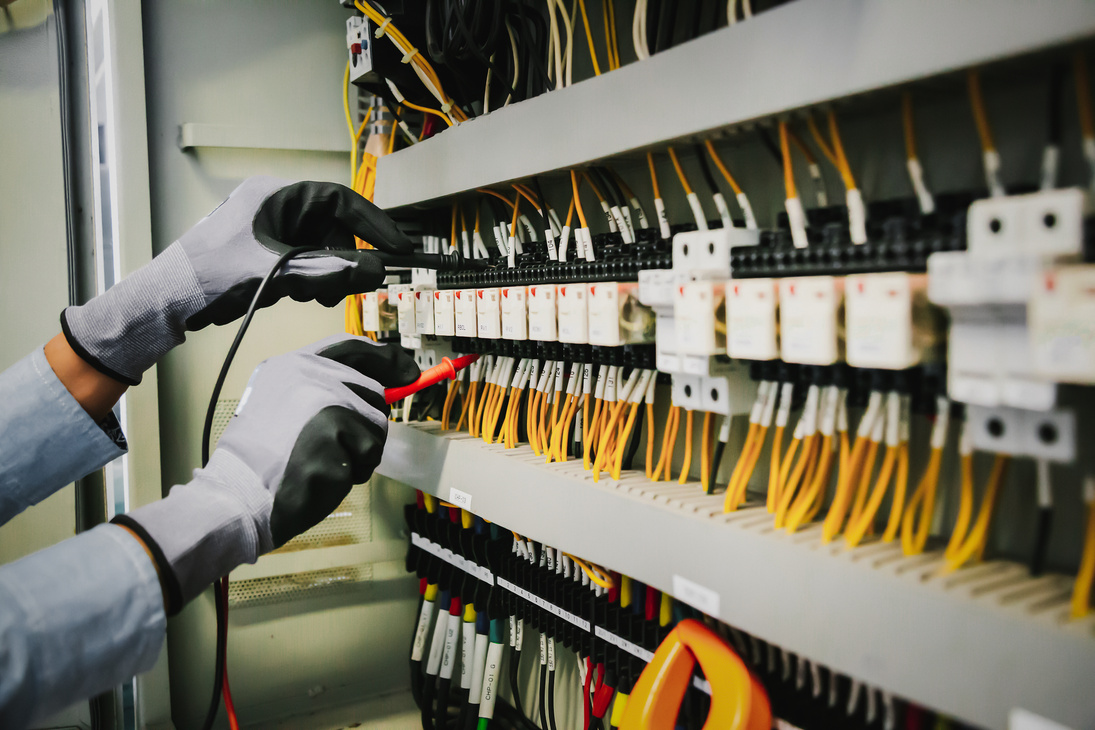


VLSI / FPGA Engineering
Designing custom VLSI and FPGA-based digital systems — RTL development, silicon architecture, and reconfigurable hardware acceleration for academic labs, startups, and enterprise product teams.
Capability Deep-Dive
We build industry-ready skills in VLSI and FPGA engineering through practical learning, structured laboratories, and project-based development. Learners explore the complete digital-design journey from architecture and RTL design to simulation, verification, synthesis, and FPGA implementation using industry-relevant workflows.
Our curriculum covers digital design, microarchitecture, RTL development, and hardware description languages such as Verilog and VHDL. Through hands-on laboratory work, learners gain practical experience with simulation, functional verification, timing analysis, synthesis, and design optimization while working with modern FPGA and SoC development platforms.
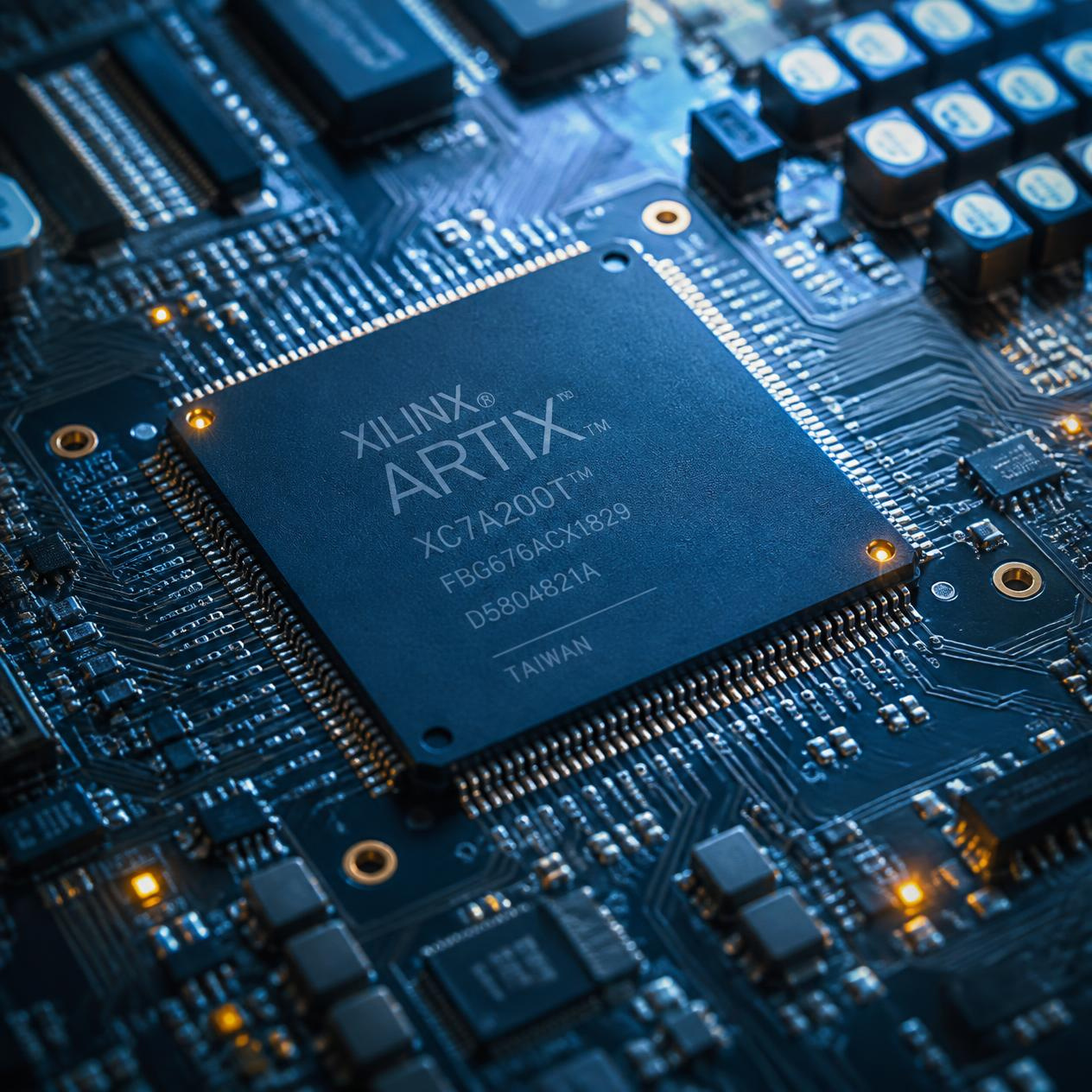
Learners explore FPGA-based system design through practical projects involving programmable logic, high-speed interfaces, DSP, signal processing, and hardware acceleration. Development environments and industry-standard toolchains are introduced through guided exercises, enabling learners to move from logic design and simulation to working hardware implementations.
The learning experience extends to advanced VLSI concepts including ASIC design flows, IP development, verification methodologies, and hardware architecture. Project-based activities help learners understand how digital systems are designed, tested, optimized, and prepared for real-world applications across semiconductor and electronics industries.

Our laboratories provide an applied environment where learners can design, simulate, verify, and implement digital systems using FPGA development boards and industry-oriented workflows. Faculty development, technical workshops, and hands-on bootcamps further support institutions in building practical VLSI and FPGA learning capabilities.
Our project-based approach connects academic learning with industry expectations by combining strong design fundamentals, practical tool experience, and real hardware implementation. Learners develop the technical confidence and problem-solving skills required for careers in VLSI, FPGA, digital design, semiconductor engineering, and advanced hardware development.